How to Do Dumbbell Seated Box Jump
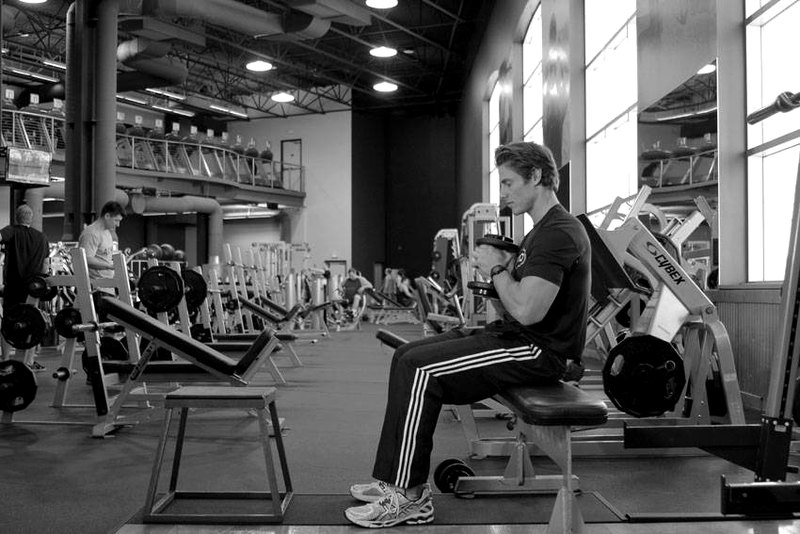
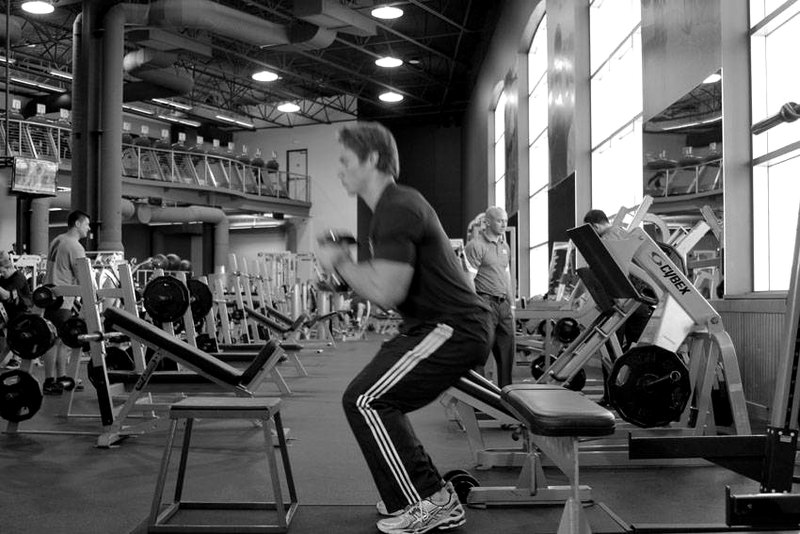
Start and end of one clean rep of Dumbbell Seated Box Jump.
Quick facts
| Primary muscle | Quads |
|---|---|
| Secondary muscles | Calves, Glutes, Hamstrings |
| Equipment | Dumbbell |
| Category | Plyometrics |
How to perform Dumbbell Seated Box Jump
- Position a box a couple feet to the side of a bench. Hold a dumbbell to your chest with both hands and seat yourself on the bench facing the box. This will be your starting position.
- Plant your feet firmly on the ground as you lean forward, extending through the hips and knees to jump up and forward.
- Land on the box with both feet, absorbing the impact by allowing the hips and knees to bend.
- Step down and return to the starting position.
Muscles worked
- Quads (primary): extends the knee to drive squats, lunges and jumps.
- Calves (secondary): points the foot to power push-off and steady the ankle.
- Glutes (secondary): extends and stabilises the hip — the engine behind hinges, squats and sprints.
- Hamstrings (secondary): bends the knee and extends the hip through hinges and pulls.
Sets & reps by goal
| Goal | Sets × reps | Load | Rest |
|---|---|---|---|
| Strength | 3–5 × 3–5 | Heavy (~85%+) | 2–3 min |
| Hypertrophy | 3–4 × 8–12 | Moderate (~65–75%) | 60–90 s |
| Endurance | 2–3 × 15–20 | Lighter (~50–60%) | 30–45 s |
Pick the row that matches your goal. If you're newer, anchor in the hypertrophy range while you groove the form.
Form tips
- Keep the knees tracking in line with the toes and push the whole foot into the floor.
- Each side works on its own, so match the depth and speed of both arms and don't let the stronger side take over.
- Land softly through the whole foot with bent knees to absorb the force, and reset fully between reps.
- Control the lowering phase — a 2–3 second descent builds more than dropping the weight.
Common mistakes
- Letting the knees cave inward as you push out of the bottom.
- Letting the dumbbells drift apart or clang together at the top instead of controlling the path.
- Landing stiff-legged or with locked knees, which spikes the load on the joints.
Frequently asked questions
What muscles does Dumbbell Seated Box Jump work?
Dumbbell Seated Box Jump mainly works the quads, with the calves, glutes, hamstrings helping as secondary movers.
What equipment do I need for Dumbbell Seated Box Jump?
Dumbbell Seated Box Jump needs a pair of dumbbells.
How many sets and reps should I do for Dumbbell Seated Box Jump?
It depends on your goal: about 3–5 sets of 3–5 heavy reps for strength, 3–4 sets of 8–12 for muscle growth, or 2–3 sets of 15–20 for endurance. Pick the row that matches your goal. If you're newer, anchor in the hypertrophy range while you groove the form.
Train Dumbbell Seated Box Jump with a coach in your pocket
Gimmy is your AI gym buddy — it programs Dumbbell Seated Box Jump into recovery-aware workouts, tracks your sets, and shows one score that tells you if it's working.
Get early access