How to Do Rack Pulls
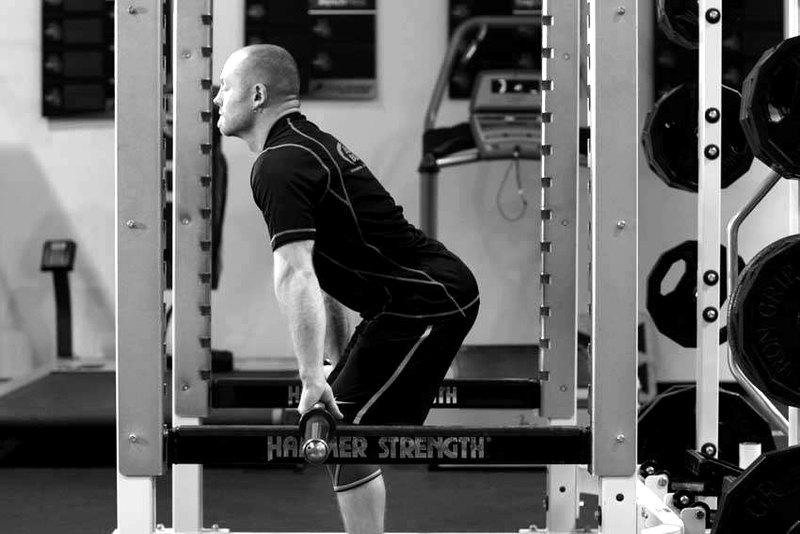
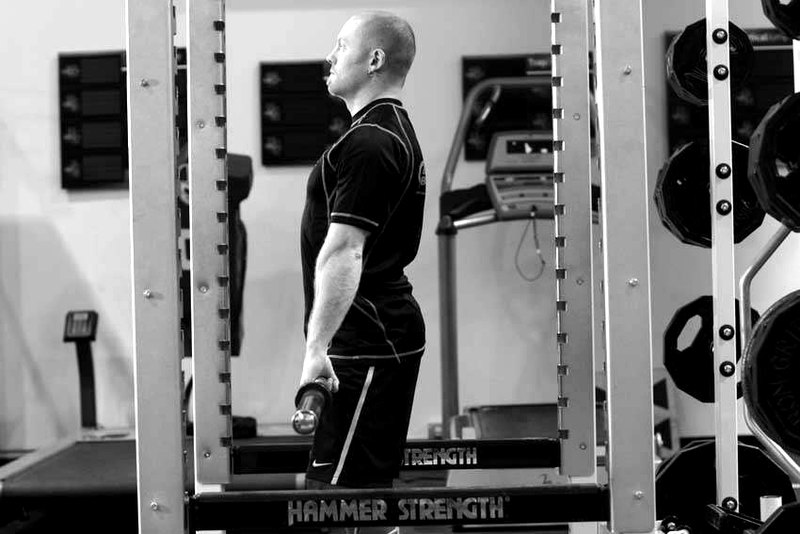
Start and end of one clean rep of Rack Pulls.
Quick facts
| Primary muscle | Back |
|---|---|
| Secondary muscles | Hamstrings, Glutes, Forearms, Core |
| Equipment | Barbell |
| Category | Powerlifting |
How to perform Rack Pulls
- Set up in a power rack with the bar on the pins. The pins should be set to the desired point; just below the knees, just above, or in the mid thigh position. Position yourself against the bar in proper deadlifting position. Your feet should be under your hips, your grip shoulder width, back arched, and hips back to engage the hamstrings. Since the weight is typically heavy, you may use a mixed grip, a hook grip, or use straps to aid in holding the weight.
- With your head looking forward, extend through the hips and knees, pulling the weight up and back until lockout. Be sure to pull your shoulders back as you complete the movement.
- Return the weight to the pins and repeat.
Muscles worked
- Back (primary): pulls the arms down and toward the torso and keeps the spine stable.
- Hamstrings (secondary): bends the knee and extends the hip through hinges and pulls.
- Glutes (secondary): extends and stabilises the hip — the engine behind hinges, squats and sprints.
- Forearms (secondary): controls your grip and keeps the wrist steady under load.
- Core (secondary): braces the trunk and resists twisting to protect the spine.
Sets & reps by goal
| Goal | Sets × reps | Load | Rest |
|---|---|---|---|
| Strength | 3–5 × 3–5 | Heavy (~85%+) | 2–3 min |
| Hypertrophy | 3–4 × 8–12 | Moderate (~65–75%) | 60–90 s |
| Endurance | 2–3 × 15–20 | Lighter (~50–60%) | 30–45 s |
Pick the row that matches your goal. If you're newer, anchor in the hypertrophy range while you groove the form.
Form tips
- Start each rep by pulling the shoulder blades in first, then drive with the elbows — think of pulling with the elbows, not the hands.
- Keep the bar path close and stacked over your mid-foot; letting it drift forward wastes force and loads the lower back.
- Rehearse your setup identically on every rep; dependable strength is built on one groove you can trust.
- Warm up the pattern with a couple of lighter, submaximal sets before your working sets.
Common mistakes
- Yanking with the arms and forgetting the back, so the biceps give out before the target muscle does.
- Loading the bar heavier than your form allows and turning strict reps into a whole-body heave.
- Changing your setup rep to rep so the groove never becomes automatic.
Frequently asked questions
What muscles does Rack Pulls work?
Rack Pulls mainly works the back, with the hamstrings, glutes, forearms, core helping as secondary movers.
What equipment do I need for Rack Pulls?
Rack Pulls needs a barbell and plates (plus a rack or bench where the movement calls for one).
How many sets and reps should I do for Rack Pulls?
It depends on your goal: about 3–5 sets of 3–5 heavy reps for strength, 3–4 sets of 8–12 for muscle growth, or 2–3 sets of 15–20 for endurance. Pick the row that matches your goal. If you're newer, anchor in the hypertrophy range while you groove the form.
Train Rack Pulls with a coach in your pocket
Gimmy is your AI gym buddy — it programs Rack Pulls into recovery-aware workouts, tracks your sets, and shows one score that tells you if it's working.
Get early access