How to Do Snatch Pull
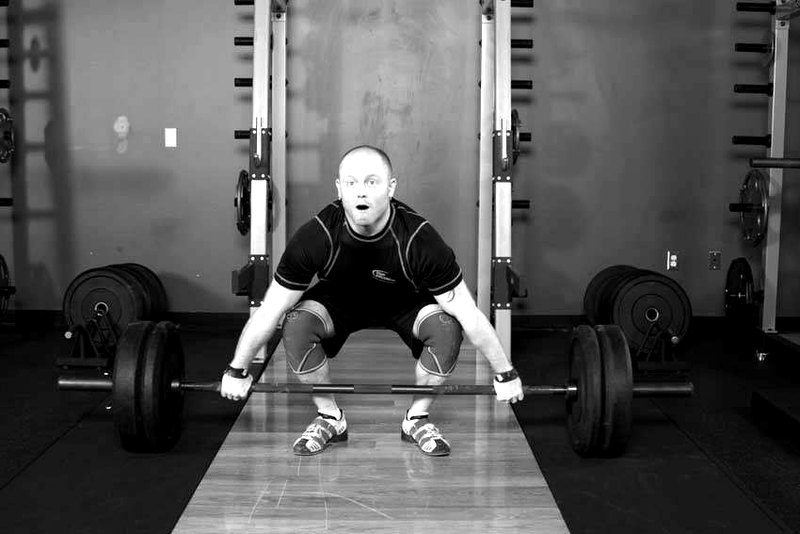
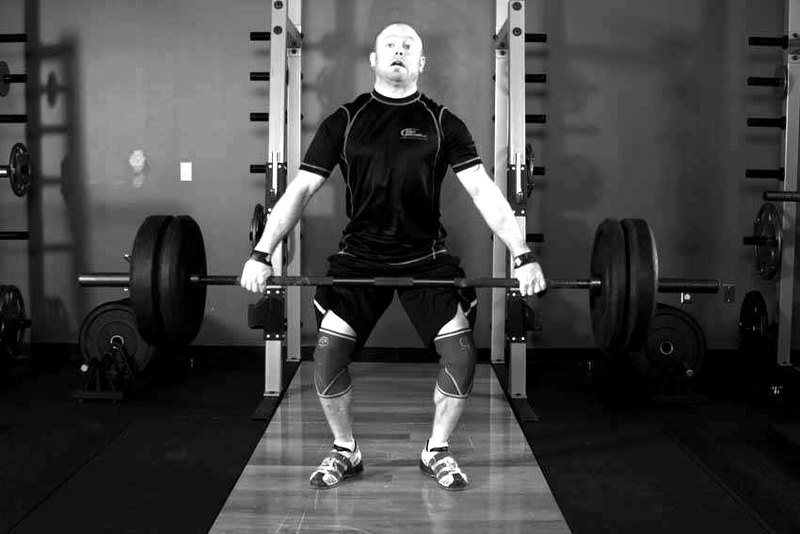
Start and end of one clean rep of Snatch Pull.
Quick facts
| Primary muscle | Hamstrings |
|---|---|
| Secondary muscles | Calves, Glutes, Core, Quads, Back |
| Equipment | Barbell |
| Category | Strength |
How to perform Snatch Pull
- With a barbell on the floor close to the shins, take a wide snatch grip. Lower your hips with the weight focused on the heels, back straight, head facing forward, chest up, with your shoulders just in front of the bar. This will be your starting position.
- Begin the first pull by driving through the heels, extending your knees. Your back angle should stay the same, and your arms should remain straight. Move the weight with control as you continue to above the knees.
- Next comes the second pull, the main source of acceleration for the pull. As the bar approaches the mid-thigh position, begin extending through the hips. In a jumping motion, accelerate by extending the hips, knees, and ankles, using speed to move the bar upward.
- There should be no need to actively pull through the arms to accelerate the weight; at the end of the second pull, the body should be fully extended, leaning slightly back. Full extension should be violent and abrupt, and ensure that you do not prolong the extension for longer than necessary.
Muscles worked
- Hamstrings (primary): bends the knee and extends the hip through hinges and pulls.
- Calves (secondary): points the foot to power push-off and steady the ankle.
- Glutes (secondary): extends and stabilises the hip — the engine behind hinges, squats and sprints.
- Core (secondary): braces the trunk and resists twisting to protect the spine.
- Quads (secondary): extends the knee to drive squats, lunges and jumps.
- Back (secondary): pulls the arms down and toward the torso and keeps the spine stable.
Sets & reps by goal
| Goal | Sets × reps | Load | Rest |
|---|---|---|---|
| Strength | 3–5 × 3–5 | Heavy (~85%+) | 2–3 min |
| Hypertrophy | 3–4 × 8–12 | Moderate (~65–75%) | 60–90 s |
| Endurance | 2–3 × 15–20 | Lighter (~50–60%) | 30–45 s |
Pick the row that matches your goal. If you're newer, anchor in the hypertrophy range while you groove the form.
Form tips
- Lead with the hips, keep a soft knee and hold a long, flat back through the hinge.
- Keep the bar path close and stacked over your mid-foot; letting it drift forward wastes force and loads the lower back.
- Treat every rep the same — a repeatable setup and bar path is what lets you add weight safely over time.
- Warm up the pattern with a couple of lighter, submaximal sets before your working sets.
Common mistakes
- Rounding the lower back to reach lower instead of hinging at the hips.
- Loading the bar heavier than your form allows and turning strict reps into a whole-body heave.
- Chasing weight jumps before the current load feels solid on every rep.
Frequently asked questions
What muscles does Snatch Pull work?
Snatch Pull mainly works the hamstrings, with the calves, glutes, core, quads, back helping as secondary movers.
What equipment do I need for Snatch Pull?
Snatch Pull needs a barbell and plates (plus a rack or bench where the movement calls for one).
How many sets and reps should I do for Snatch Pull?
It depends on your goal: about 3–5 sets of 3–5 heavy reps for strength, 3–4 sets of 8–12 for muscle growth, or 2–3 sets of 15–20 for endurance. Pick the row that matches your goal. If you're newer, anchor in the hypertrophy range while you groove the form.
Train Snatch Pull with a coach in your pocket
Gimmy is your AI gym buddy — it programs Snatch Pull into recovery-aware workouts, tracks your sets, and shows one score that tells you if it's working.
Get early access