How to Do Muscle Up
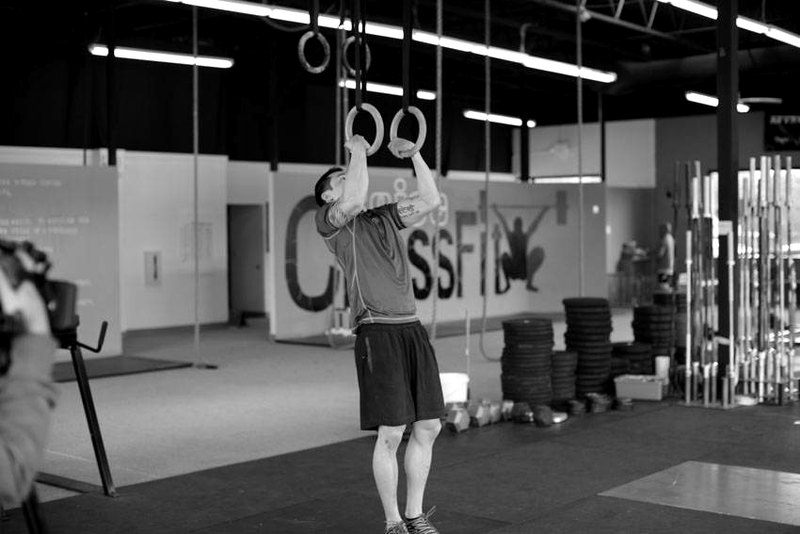
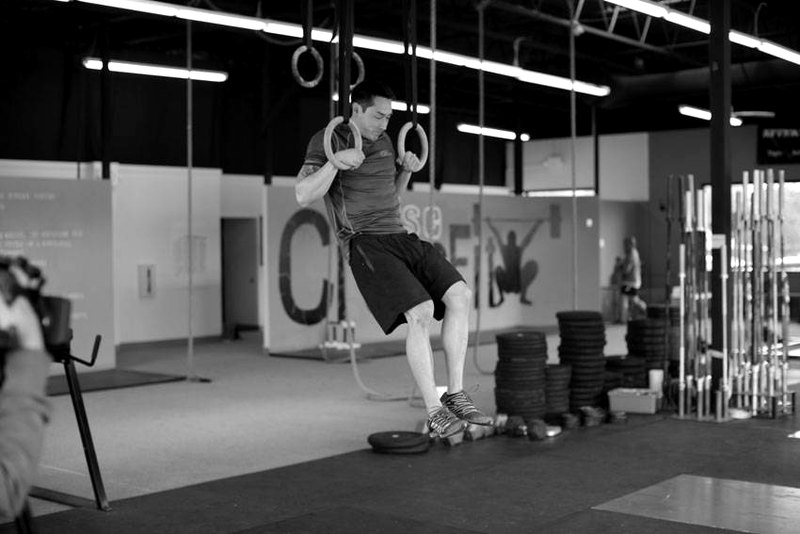
Start and end of one clean rep of Muscle Up.
Quick facts
| Primary muscle | Back |
|---|---|
| Secondary muscles | Core, Biceps, Forearms, Shoulders, Triceps |
| Equipment | Bodyweight |
| Category | Strength |
How to perform Muscle Up
- Grip the rings using a false grip, with the base of your palms on top of the rings. Initiate a pull up by pulling the elbows down to your side, flexing the elbows.
- As you reach the top position of the pull-up, pull the rings to your armpits as you roll your shoulders forward, allowing your elbows to move straight back behind you. This puts you into the proper position to continue into the dip portion of the movement.
- Maintaining control and stability, extend through the elbow to complete the motion.
- Use care when lowering yourself to the ground.
Muscles worked
- Back (primary): pulls the arms down and toward the torso and keeps the spine stable.
- Core (secondary): braces the trunk and resists twisting to protect the spine.
- Biceps (secondary): bends the elbow and turns the palm up during pulls and curls.
- Forearms (secondary): controls your grip and keeps the wrist steady under load.
- Shoulders (secondary): raises and rotates the arms and drives everything overhead.
- Triceps (secondary): straightens the elbow to lock out every press and pushdown.
Sets & reps by goal
| Goal | Sets × reps | Load | Rest |
|---|---|---|---|
| Strength | 3–5 × 3–5 | Heavy (~85%+) | 2–3 min |
| Hypertrophy | 3–4 × 8–12 | Moderate (~65–75%) | 60–90 s |
| Endurance | 2–3 × 15–20 | Lighter (~50–60%) | 30–45 s |
Bodyweight movement: once you own the top of a rep range, progress by slowing the tempo, pausing at the hardest point, or moving to a harder variation instead of adding load.
Form tips
- Start each rep by pulling the shoulder blades in first, then drive with the elbows — think of pulling with the elbows, not the hands.
- Own the largest range you can control with clean form before you chase extra reps.
- Treat every rep the same — a repeatable setup and bar path is what lets you add weight safely over time.
- Breathe out on the effort and in on the return, keeping one steady rhythm across the set.
Common mistakes
- Yanking with the arms and forgetting the back, so the biceps give out before the target muscle does.
- Cutting the range short to squeeze out extra reps instead of owning each full one.
- Chasing weight jumps before the current load feels solid on every rep.
Frequently asked questions
What muscles does Muscle Up work?
Muscle Up mainly works the back, with the core, biceps, forearms, shoulders, triceps helping as secondary movers.
What equipment do I need for Muscle Up?
None — Muscle Up is a bodyweight movement, so you only need your bodyweight and a little space.
How many sets and reps should I do for Muscle Up?
It depends on your goal: about 3–5 sets of 3–5 heavy reps for strength, 3–4 sets of 8–12 for muscle growth, or 2–3 sets of 15–20 for endurance. Bodyweight movement: once you own the top of a rep range, progress by slowing the tempo, pausing at the hardest point, or moving to a harder variation instead of adding load.
Train Muscle Up with a coach in your pocket
Gimmy is your AI gym buddy — it programs Muscle Up into recovery-aware workouts, tracks your sets, and shows one score that tells you if it's working.
Get early access