How to Do Looking At Ceiling
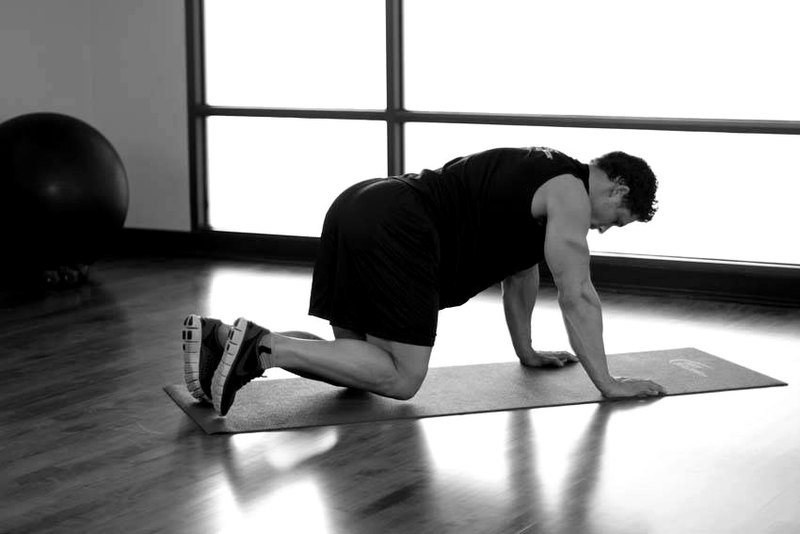
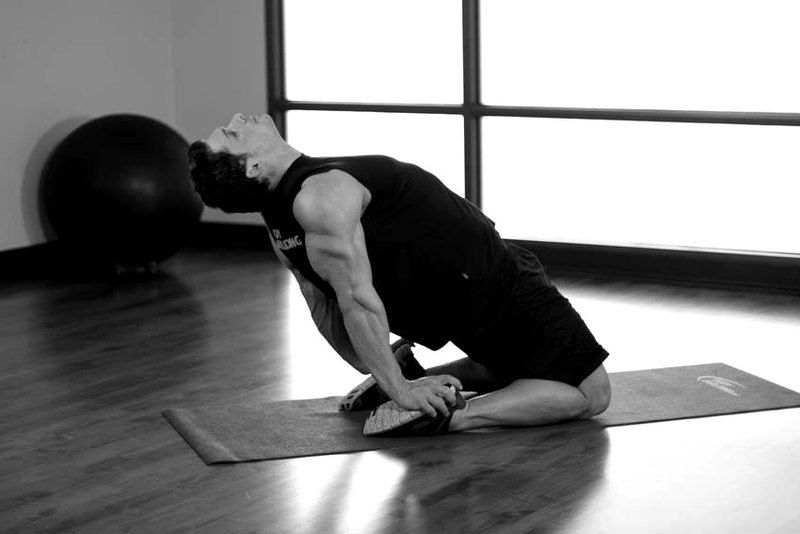
Start and end of one clean rep of Looking At Ceiling.
Quick facts
| Primary muscle | Quads |
|---|---|
| Secondary muscles | — |
| Equipment | Bodyweight |
| Category | Stretching |
How to perform Looking At Ceiling
- Kneel on the floor, holding your heels with both hands.
- Lift your buttocks up and forward while bringing your head back to look up at the ceiling, to give an arch in your back.
Muscles worked
- Quads (primary): extends the knee to drive squats, lunges and jumps.
Sets & reps by goal
| Goal | Sets × reps | Load | Rest |
|---|---|---|---|
| Strength | 3–5 × 3–5 | Heavy (~85%+) | 2–3 min |
| Hypertrophy | 3–4 × 8–12 | Moderate (~65–75%) | 60–90 s |
| Endurance | 2–3 × 15–20 | Lighter (~50–60%) | 30–45 s |
As a mobility drill, hold each position for 20–40 seconds (or move slowly for reps) rather than training it to a heavy load.
Form tips
- Keep the knees tracking in line with the toes and push the whole foot into the floor.
- Own the largest range you can control with clean form before you chase extra reps.
- Ease in until you feel mild tension, never pain, and breathe out as you sink a little deeper.
- Stop a rep or two short of failure on most sets to keep form clean and recover faster.
Common mistakes
- Letting the knees cave inward as you push out of the bottom.
- Cutting the range short to squeeze out extra reps instead of owning each full one.
- Bouncing into the stretch instead of holding it steadily.
Frequently asked questions
What muscles does Looking At Ceiling work?
Looking At Ceiling is a focused movement that primarily works the quads.
What equipment do I need for Looking At Ceiling?
None — Looking At Ceiling is a bodyweight movement, so you only need your bodyweight and a little space.
How many sets and reps should I do for Looking At Ceiling?
It depends on your goal: about 3–5 sets of 3–5 heavy reps for strength, 3–4 sets of 8–12 for muscle growth, or 2–3 sets of 15–20 for endurance. As a mobility drill, hold each position for 20–40 seconds (or move slowly for reps) rather than training it to a heavy load.
Train Looking At Ceiling with a coach in your pocket
Gimmy is your AI gym buddy — it programs Looking At Ceiling into recovery-aware workouts, tracks your sets, and shows one score that tells you if it's working.
Get early access